Previous projects
Completed projects that led to our current research. For the current living lab, see Living Lab for Smart Intersections.
Cooperative Driving Automation
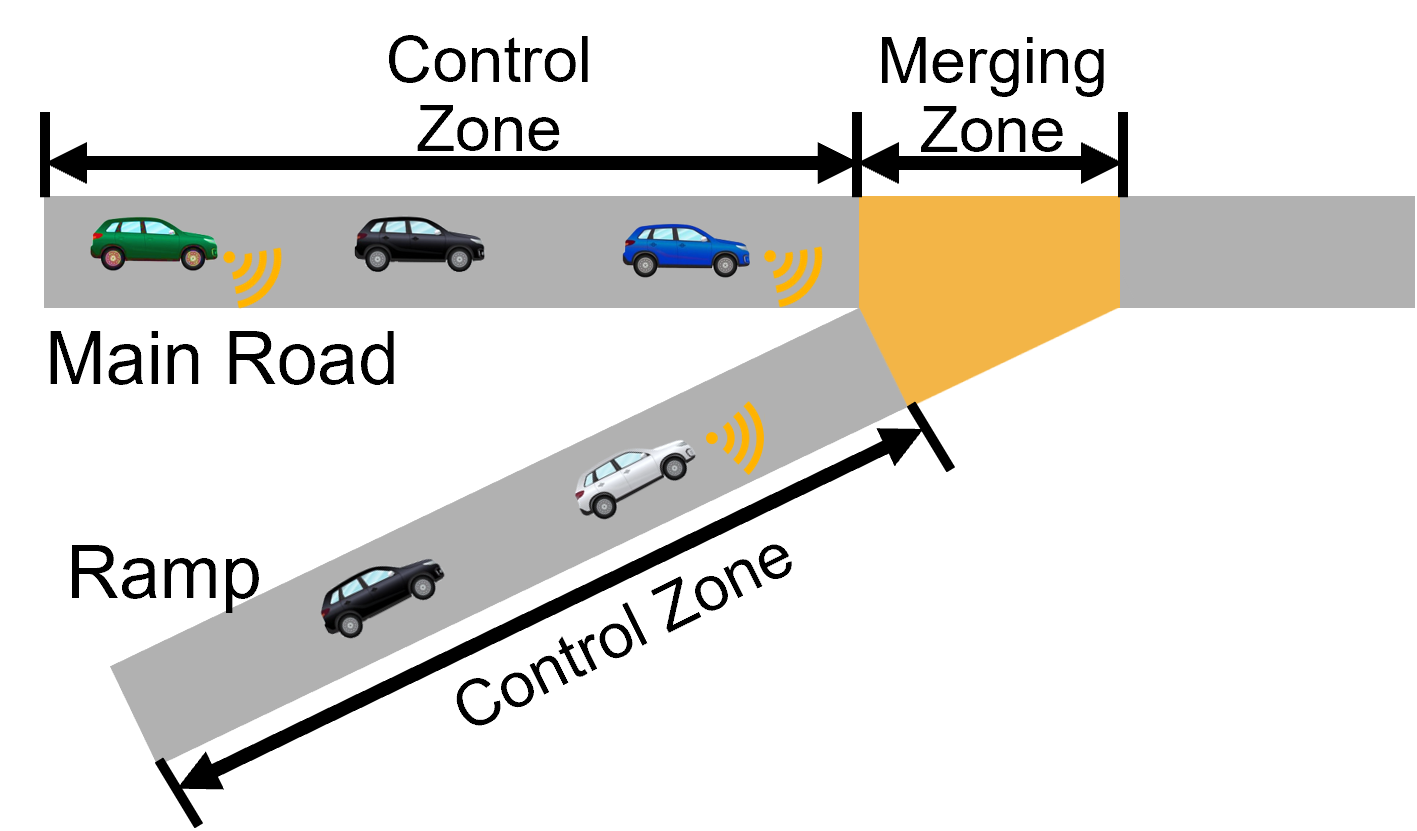
As the penetration rate of connected vehicles increase, multiple vehicles can share real-time information such as their intents and attempt to seek agreement for cooperative driving. For example, at a merging scenario, vehicles on main road and ramp can be controlled to coordinate their arrivals to minimize conflicts and hence improve traffic throughput and efficiency.
Read More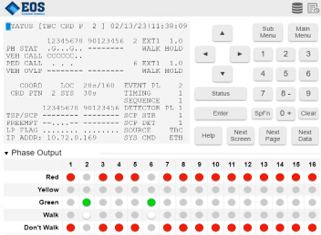
Traffic Signal Light Optimization
With advanced camera-based vehicle detection systems and vehicle-to-anything communication, traffic signal control systems can potentially obtain information of real-time and predicted traffic conditions. This creates an opportunity to proactively adapt signal control strategies, reducing delays at intersections and improving overall traffic throughput.
Read MoreSmart campus traffic monitoring
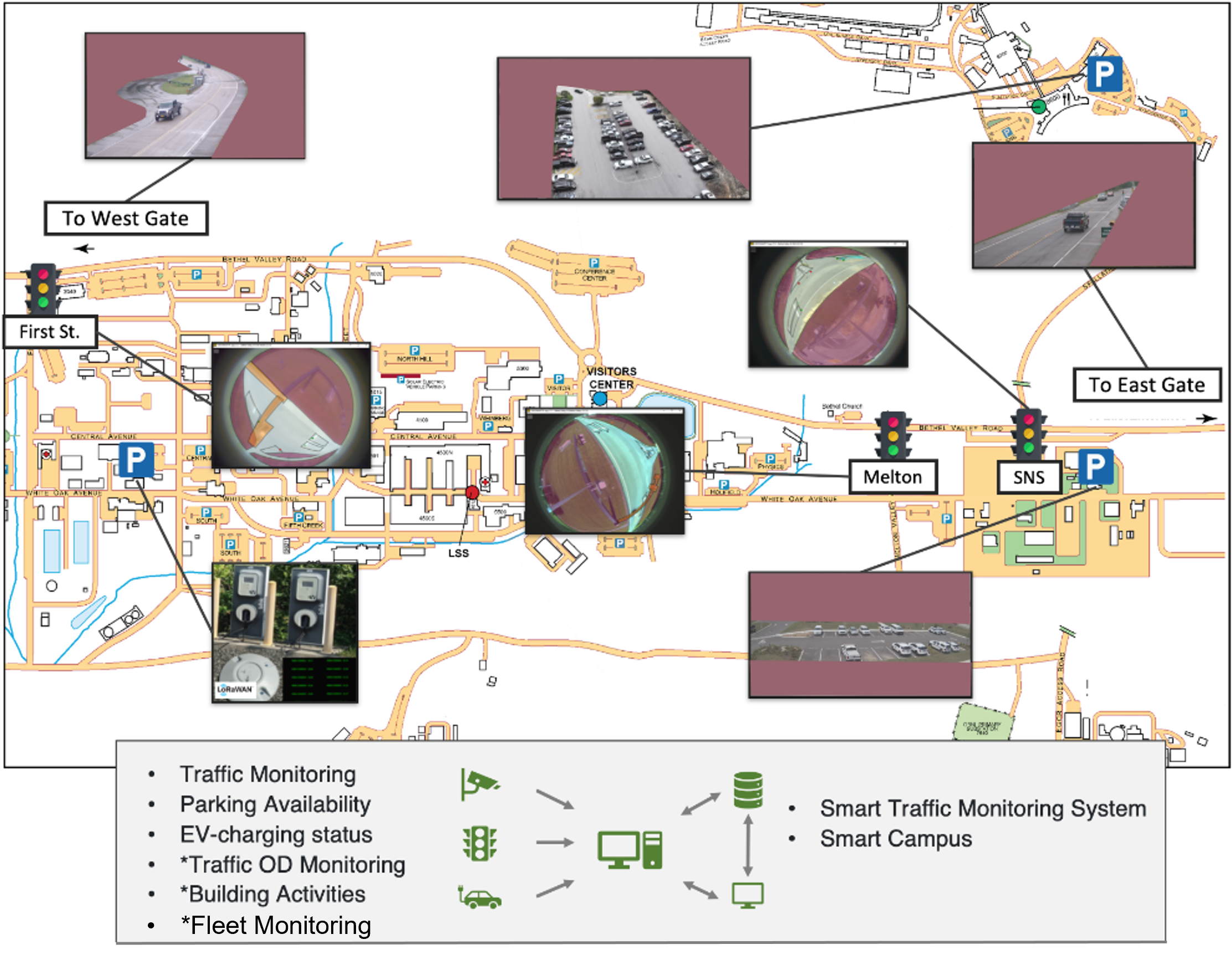
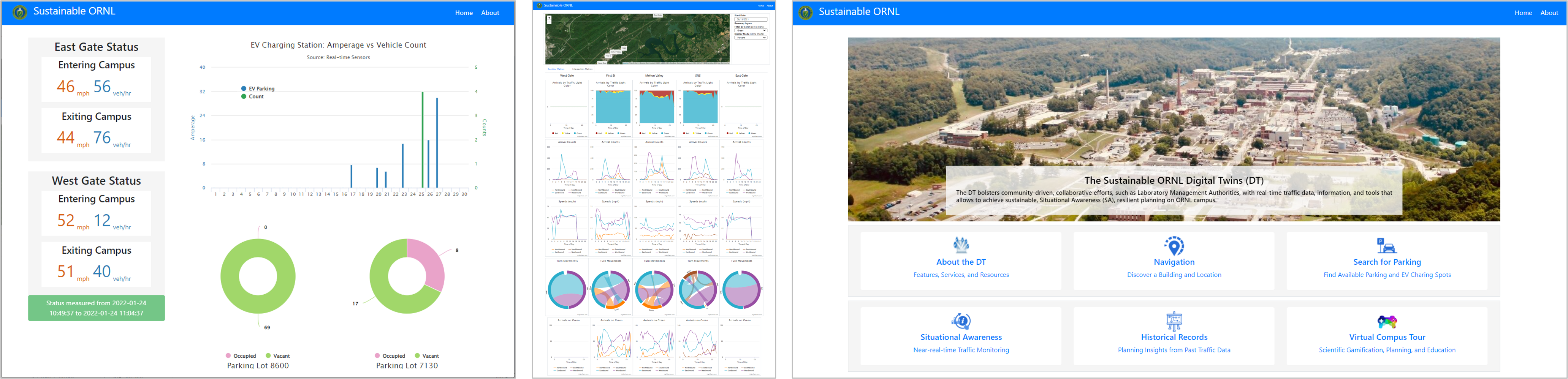
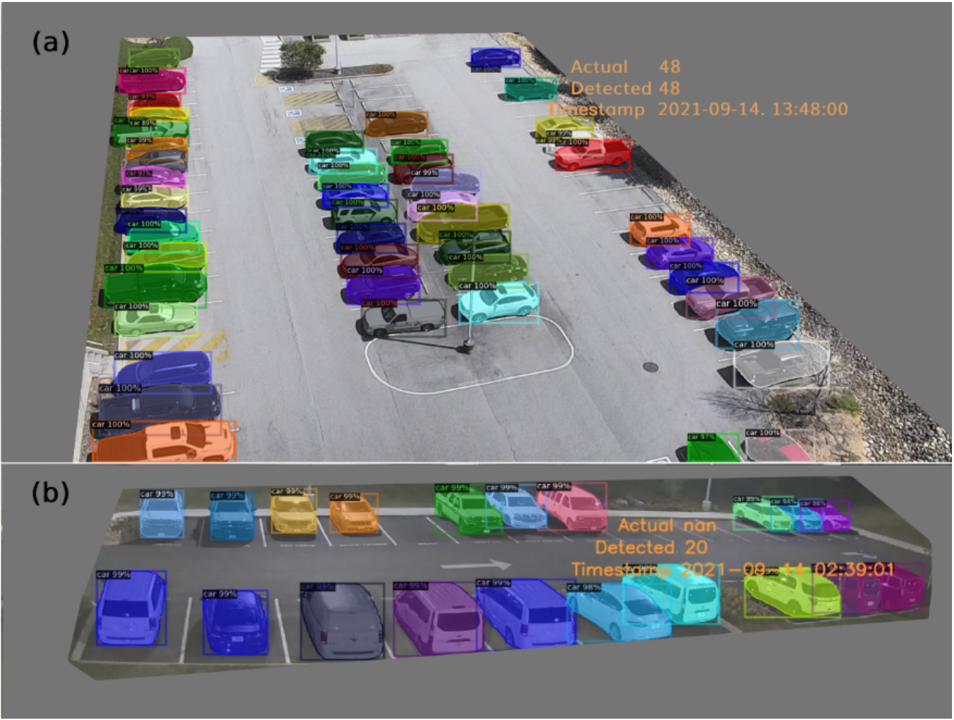
Our first living lab used remote camera sensors across campus. Computer vision turned the camera data into complete traffic information, and weeks of historical data were analyzed to find bottlenecks and to develop transportation management strategies that cut congestion, energy use and emissions. The approach can be extended to other campuses and urban areas.